
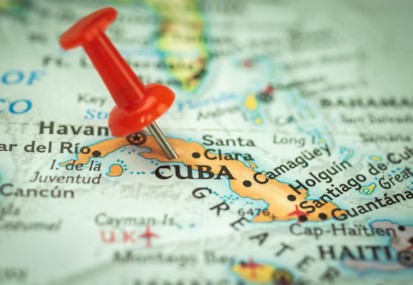
Cuba’s history is a story of resilience, transformation, and cultural diversity. Over centuries, the island has experienced Indigenous civilizations, European colonization, struggles for independence, political revolutions, and significant social and economic changes. Understanding these milestones helps explain how Cuba became the nation it is today.
This History of Cuba Timeline highlights the major events that shaped the country’s development. Whether you’re a student, history enthusiast, or simply curious about Cuba, this guide offers a clear overview of the island’s journey through time while presenting essential Cuba History Facts Timeline information.
Early Indigenous Civilizations
Before European explorers arrived, Cuba was home to Indigenous groups, including the Taíno, Ciboney, and Guanahatabey peoples. The Taíno were the largest community and lived in organized villages, relying on farming, fishing, and trade. They cultivated crops such as cassava, maize, and sweet potatoes and developed a rich cultural tradition.
These early societies formed the foundation of Cuba’s human history before Spanish colonization dramatically changed life on the island.
Spanish Colonization Begins
A major turning point in the History of Cuba Timeline occurred in 1492 when Christopher Columbus reached Cuba during his first voyage to the Americas. Spain soon claimed the island, and permanent settlements were established in the early 16th century.
Colonization brought significant changes. Indigenous populations declined rapidly due to disease, forced labor, and conflict. Spain expanded sugar and tobacco production, creating plantations that relied heavily on enslaved Africans. This period also introduced lasting Spanish cultural, religious, and linguistic influences that continue to shape Cuban identity today.
The Fight for Independence
By the 19th century, many Cubans sought independence from Spanish rule. A series of conflicts known as the Cuban Wars of Independence reflected growing demands for political freedom.
One of the most influential figures during this period was José Martí, whose writings and leadership inspired the independence movement. Although he died early in the struggle, his vision of a free and independent Cuba continues to hold an important place in the nation’s history.
The conflict eventually drew the attention of the United States, leading to the Spanish-American War in 1898. Spain’s defeat ended its colonial rule over Cuba, marking another significant milestone in the Cuba History Facts Timeline.
The Republic of Cuba
Cuba officially became an independent republic in 1902. Although the country gained self-government, the United States maintained considerable political and economic influence during the early decades of independence.
The first half of the 20th century brought periods of economic growth alongside political instability. The sugar industry remained central to the economy, while changing governments and social inequality created ongoing challenges.
These conditions eventually contributed to growing public dissatisfaction with the country’s leadership.
The Cuban Revolution
One of the defining events in any History of Cuba Timeline is the Cuban Revolution. Beginning in the 1950s, revolutionary forces opposed the government of President Fulgencio Batista, criticizing corruption, inequality, and authoritarian rule.
Led by Fidel Castro and supported by figures including Raúl Castro and Camilo Cienfuegos, the revolution succeeded in January 1959. Batista left Cuba, and a new revolutionary government took power.
The revolution introduced sweeping reforms, including land redistribution, expanded education, and universal healthcare. At the same time, it transformed Cuba’s political system and significantly influenced its relationships with other countries.
Cold War and International Attention
Following the revolution, Cuba became closely aligned with the Soviet Union during the Cold War. This alliance contributed to several major international events, including the Bay of Pigs invasion in 1961 and the Cuban Missile Crisis in 1962.
The missile crisis became one of the most dangerous moments of the Cold War, bringing the United States and the Soviet Union close to nuclear conflict. Although the crisis was resolved diplomatically, it permanently shaped Cuba’s role in global politics.
Modern Cuba
Since the end of the Cold War, Cuba has experienced significant economic and social changes. The collapse of the Soviet Union created severe economic difficulties during the 1990s, leading to a period known as the “Special Period.”
In recent decades, Cuba has introduced gradual economic reforms while continuing to adapt to changing international relationships. Tourism has become an important source of income, and discussions about economic modernization continue to influence the country’s development.
Today, Cuba remains known for its rich cultural heritage, music, literature, historic cities, and unique place in world history.
Conclusion
The History of Cuba Timeline reflects centuries of change, from Indigenous civilizations and Spanish colonization to independence, revolution, and modern reform. Each era has contributed to the country’s identity and continues to influence its politics, culture, and society today.
Exploring a Cuba History Facts Timeline provides valuable context for understanding not only Cuba’s past but also the historical events that continue to shape its future. By examining these milestones in chronological order, readers gain a clearer appreciation of one of the Caribbean’s most historically significant nations.